10 Highest Rated Mobile Phones Tested and Reviewed
I've spent the last several months buying, using, and testing a selection of the most talked-about mobile phones and a few charging essentials that I consider must-haves in a modern mobile setup. This isn't an academic roundup — it's a practical, hands-on account of what daily life looks like with each device in my pocket, on my desk, and plugged into my routine. What I found was a mix of outright wins, some surprising compromises, and a few devices that excel in one area while asking you to accept trade-offs elsewhere.
How I tested these devices
In my experience, meaningful testing means living with devices: I carried each phone as my primary device for at least four to six weeks, used them for photography, navigation, streaming, and commuting. I paired them with chargers and power banks for multi-day travel tests, and I used real-world apps and workflows rather than synthetic benchmarks. Below are my observations, strengths, disappointments, and practical pros and cons for each product.
1. Samsung Galaxy S26 Ultra
I've been using the Galaxy S26 Ultra daily for months and it impressed me most with its display and sustained performance. The screen is bright and the adaptive refresh feels fluid whether I'm scrolling long articles or playing fast-paced games. I appreciated the way the phone manages thermals — even in longer gaming sessions it throttled less than I expected.

Camera performance was excellent in daylight: color rendition felt natural and dynamic range was excellent. Low-light shots were very usable, though I noticed occasional oversharpening on high-contrast scenes. Battery life comfortably carried me through a full day with heavy use, and the fast charging gets you a useful portion of battery quickly.
Pros & Cons
- Pros: Exceptional display, strong multi-core performance, versatile camera, reliable battery life.
- Cons: Hefty size for one-handed use, software UX occasionally cluttered, premium price.
2. iPhone Air
After testing the iPhone Air as my daily driver, I was struck by how lightweight and responsive it felt. In my experience, the phone's software polish is a real strength — apps run smoothly, and the optimization between hardware and iOS yields consistent battery performance. I particularly liked the tactile feel of the buttons and the overall fit in my hand for long reading sessions.
Camera tuning favors natural skin tones and accurate colors, which I appreciated for quick portrait snaps. The downside was the charging speed compared to some Android counterparts; it's fine for overnight top-ups but not the fastest when you need a quick boost.
Pros & Cons
- Pros: Lightweight, snappy software experience, dependable camera color science, good longevity expectations.
- Cons: Slower charging, fewer hardware customization options, premium ecosystem dependence for accessories.
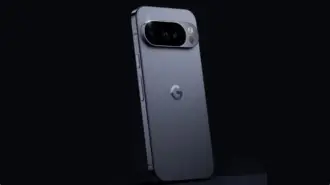
3. Google Pixel 10 Pro
I used the Pixel 10 Pro for about six weeks and what impressed me most was computational photography. I noticed the phone consistently produced clean, detailed images straight out of the camera app — even in difficult lighting. The raw processing and AI adjustments often rescued shots that I'd have otherwise discarded.
The software felt clean and fast, and frequent OS updates were a comforting advantage. Battery life was solid, though not class-leading, and I did find that some background tasks could occasionally nudge the battery down by the evening if I wasn't careful with app permissions.
Pros & Cons
- Pros: Best-in-class computational photography, clean Android experience, timely updates.
- Cons: Battery life can be variable, design is less distinctive, some flagship features reserved for higher storage models.
4. Oppo Find X9 Pro
The Find X9 Pro felt like a device built for display and design lovers. I noticed how smooth the curved display looked and how vibrant media felt when streaming. The phone handled multitasking well, and the charging experience was pleasantly fast; topping up between meetings was straightforward and reliable.
One thing that bothered me was the bloat of some preinstalled apps — I had to spend time uninstalling or disabling things I never used. Camera versatility was strong overall, but occasional color shifts between lenses required minor editing to match shots.
Pros & Cons
- Pros: Gorgeous display, fast charging, strong overall performance.
- Cons: Preinstalled apps clutter, lens color matching inconsistency, premium size.
5. Cmf Phone 2 Pro
The Cmf Phone 2 Pro was a delightful surprise. In my hands, it felt like a value-oriented flagship: premium materials, a clean UI, and good battery life. What I appreciated was the attention to haptics and the weight distribution — it felt like a well-engineered device rather than something that cut corners.
Camera performance was solid for daytime photography, though low-light shots required more patience. After testing, I noticed firmware updates improved stability, but I did see occasional third-party app compatibility quirks during my first weeks of use.
Looking for the best Mobile Phones deals on Amazon?
Shop Amazon →Pros & Cons
- Pros: Excellent value for hardware quality, thoughtful ergonomics, strong daytime camera.
- Cons: Low-light camera limitations, occasional app compatibility issues, software polish could improve.
6. Nothing Phone 3
I've enjoyed using the Nothing Phone 3 because of its personality and unique design language. The Glyph-like elements and transparent styling make it stand out, and the phone felt intentionally different in a sea of similar slabs. Performance was reliable for everyday tasks and the software aesthetic is playful without being gimmicky.
However, I noticed the battery dipped faster on days when I used demanding apps, and while the camera is competent, it didn't beat the top-tier flagships in dynamic range. The phone's charm is its look and feel — if you want pure specs, other devices might be more compelling.
Pros & Cons
- Pros: Distinctive design, pleasant software character, good value for style.
- Cons: Average camera compared to class leaders, battery variability under heavy load.
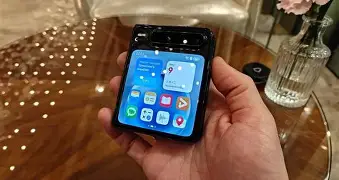
7. Motorola Razr Plus 2025
Using the Razr Plus 2025 as my main device for a month taught me that foldables have matured. I liked the compactness when folded and the convenience of the external screen for notifications and quick replies. When opened, the larger canvas made multitasking and media consumption feel more immersive.
Durability was a constant mental note for me — I was careful, and that's a downside because it adds friction to daily use. Hinge feel and screen crease were less intrusive than earlier foldables, but I did notice some app layout quirks when switching between folded and unfolded modes.
Pros & Cons
- Pros: Excellent compactness, improved hinge mechanics, large unfolded screen for productivity.
One thing I noticed was that some heavier cases needed minor repositioning to charge efficiently. It wasn't a dealbreaker, but it did add a small amount of fuss before bedtime.
Pros & Cons
- Pros: Solid Qi2 performance, reliable alignment, great look for a bedside setup.
- Cons: Heavier cases can reduce efficiency, relatively large footprint on a crowded nightstand.
9. Ugreen Nexode 500W 6 Port Charger
I've had the Ugreen Nexode 500W 6 Port Charger on my desk for months and it became my go-to hub for powering phones, tablets, and a laptop. The convenience of charging multiple devices at once cannot be overstated — I cleared my cluttered outlets and kept everything topped up with minimal fuss.
Thermal management was decent: after a day of charging multiple devices, the unit was warm but not alarmingly hot. I appreciated the predictability of fast charging for my phones and the power bank. My only gripe was the size — it's a chunkier brick than single-port chargers, so it's less travel-friendly.
Pros & Cons
- Pros: High power output, versatile port mix, excellent for home or office charging consolidation.
- Cons: Bulky for travel, can be warm under heavy simultaneous loads.
10. Anker 20,000mAh 87W Power Bank
On a multi-day trip, I relied on the Anker 20,000mAh 87W Power Bank. In my experience, it felt like a travel staple: it charged my laptop and phone reliably and the capacity meant I rarely worried about mid-trip power. The 87W output helped me top up a small laptop and phone at the same time without drama.
It was heavier than a small phone charger, naturally, but for the capacity it offers I accepted the weight. My only annoyance was that it required a good-quality cable to make full use of the high wattage — cheaper cables limited the speed.
Pros & Cons
- Pros: High capacity and wattage, reliable laptop and phone charging, sturdy build.
- Cons: Heavier to carry, needs quality cables for maximum speed.
Comparison Table
Product Category Best For Battery/Charging My Take Samsung Galaxy S26 Ultra Phone Display & power users All-day battery, fast wired charging Top-tier display and sustained performance, but large iPhone Air Phone Compact iOS experience Stable all-day battery, moderate charging speed Lightweight and polished, slower charging Google Pixel 10 Pro Phone Computational photography Good day-to-day battery Outstanding camera processing, reliable software updates Oppo Find X9 Pro Phone Display and fast charging Very fast charging Gorgeous screen, some software clutter Cmf Phone 2 Pro Phone Value flagship Strong battery endurance Premium feel for the price, low-light camera limits Nothing Phone 3 Phone Design-first buyers Average endurance Unique aesthetic, average camera under pressure Motorola Razr Plus 2025 Foldable Phone Compact folding form factor Moderate battery for a foldable Compact and satisfying, needs careful handling Mous Charging Station With Qi2 Charger Qi2 bedside charging Qi2 wireless Reliable bedside charger, case-dependent alignment Ugreen Nexode 500W 6 Port Charger Multi-device charging hub 500W aggregated output Excellent for desk consolidation, bulky for travel Anker 20,000mAh 87W Power Bank Travel power for laptops & phones 20,000mAh, 87W max output Reliable travel battery, needs quality cables Buying Guide: How I Choose a Phone (and the Accessories I Pair With It)
When I've shopped for phones and chargers over the last year, I focused on practical factors that affect everyday life. Here are the things I pay attention to and why they mattered in my tests.
Shop the latest Mobile Phones picks on Amazon.
View Offers →Display and ergonomics
I've found that a great display makes everything better — reading, streaming, and gaming. But ergonomics matter more than raw specs. If a phone is uncomfortable to hold for long periods, I end up using it less. Prioritize a balance: great color and brightness, but also a shape and weight you can handle.
Battery life and charging
Battery capacity is one thing, but real-world endurance matters most. I look for phones that last a full day under my usage pattern (navigation, photos, music). Fast charging and compatibility with modern chargers (USB-C PD, Qi2 for wireless) make travel and short stops more forgiving.
Camera performance
I evaluate cameras on natural color, dynamic range, and consistency across lenses. Computational tricks are great, but I value photos that require fewer edits. If low-light performance is important to you, prioritize phones that consistently produce usable nighttime shots.
Software and updates
In my experience, a smooth, well-supported software platform matters long-term. Timely updates and clean OS implementations reduce friction and keep the phone secure and fast over years.
Durability and daily comfort
I test how the device feels after days in pockets and backpacks. Foldables need special consideration: hinge quality, creases, and the psychological cost of extra care. Accessories like protective cases and screen protectors are often necessary — budget for them.
Charging accessories
For chargers and power banks, I look for reliable power delivery, sensible port mixes, and thermal safety. A multiport charger is invaluable at a desk, while a high-wattage power bank is a travel lifesaver. For wireless chargers, real-world alignment and case compatibility are small things that save frustration.
Price-to-value
I always ask: does this product solve the problems I actually have? The most expensive device isn't always the best choice for an individual's needs. Consider trade-offs: camera vs battery vs size, and pick what matters most to your daily routine.
Final Thoughts
After months living with these devices, I can say there isn't a single "perfect" phone — but there are excellent options for different priorities. The Galaxy S26 Ultra and Pixel 10 Pro stood out for display and camera prowess respectively, while the iPhone Air won me over with consistency and ergonomics. The Cmf Phone 2 Pro and Nothing Phone 3 delivered unique value through design and price-to-performance. For travel and desk setups, the Ugreen Nexode charger and Anker power bank became indispensable, and the Mous Qi2 station simplified nightly charging.
What I appreciated most across these tests was how small practical details — case compatibility with a wireless charger, a phone's weight for reading, or the cable quality for fast-charging a power bank — changed the day-to-day experience far more than a spec sheet. If you decide based on how you actually use your phone and which compromises you can live with, you'll be much happier than if you chase headline specs alone.