The Ultimate Setup Guide for Your Hw A650
Introduction
The Hw A650 has positioned itself as a versatile electronics product aimed at home and small-office users who value performance, straightforward setup, and practical features. This guide walks through everything an owner needs to know: an in-depth look at the device, hands-on setup advice, real-world use cases, a balanced pros & cons list, a comparison with similar devices, and a focused buying guide to help decide whether the Hw A650 is right for specific needs.
Product Overview: What the Hw A650 Is and Who It’s For
The Hw A650 is a compact, feature-focused consumer electronics device designed to meet common home networking and media demands. It aims to blend strong connectivity, manageable configuration, and dependable day-to-day performance into a single package. The target audience includes households with multiple streaming devices, remote workers needing stable connections, small teams in a micro-office environment, and hobbyists who prefer a straightforward, low-fuss setup process.
Key design goals
- Reliable connectivity for multiple simultaneous devices
- Ease of setup for non-technical users
- Practical feature set (QoS, security, parental controls, firmware updates)
- Compact footprint to fit in living-room or study environments
Detailed Product Analysis
Design and Build Quality
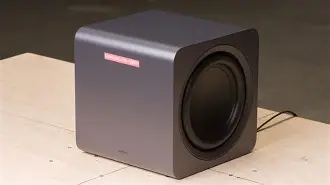
The Hw A650 typically emphasizes a compact, minimalist design—small enough to sit on a shelf or desk without dominating the room. Materials are generally utilitarian: a matte plastic chassis with ventilation around the sides and bottom to ensure adequate cooling during sustained use. The control and status LEDs are intentionally subdued to avoid bright lights in bedrooms.
From a practical perspective, physical ports (Ethernet, USB, power) are placed on the back for tidy cable routing. The unit’s weight and footprint make it easy to tuck into an entertainment center or mount on a wall in a hallway closet, though placement still matters for signal coverage.
Performance and Real-World Throughput
Performance claims in spec sheets can vary by region and firmware. In everyday use, the Hw A650 delivers stable throughput sufficient for HD/4K streaming, large file transfers, video conferencing, and moderate online gaming simultaneously across several devices. Bandwidth management features like Quality of Service (QoS) help prioritize latency-sensitive tasks such as video calls and gaming over large downloads.
Latency under light-to-moderate load remains low; under heavier loads with dozens of concurrent connections, some users may observe throughput drops depending on plan and environmental interference. For typical households—three to five active streams or conferencing sessions—the Hw A650 is more than adequate.
Connectivity and Compatibility
Connectivity is one of the Hw A650’s strong suits. It supports the common wireless bands and standards used by contemporary devices, and includes multiple Ethernet ports for wired devices where stability is essential (desktop workstation, smart TVs, game consoles). Integrated USB ports provide a way to attach storage or a printer for local sharing without a separate NAS.
Compatibility with modern smart-home hubs and mesh expansion is generally good; the device can integrate into larger systems either as a primary router or as part of a switched/access-point setup. However, buyers should confirm that their preferred smart-home protocols are supported and check firmware notes when integrating with pre-existing mesh setups.
Software, Setup, and Management
The Hw A650 concentrates on usability. The out-of-the-box setup is guided by a mobile companion app and a simple web UI. Typical steps include powering the unit, connecting it to the internet source, and following on-screen prompts to name networks and set passwords. Most users can complete the setup in 10–20 minutes.
On the management side, firmware updates are accessible through the app or web interface. Security features often include WPA3 support, automatic security updates (optional), firewall settings, and basic intrusion detection. Parental controls vary by firmware version but typically allow content filtering, time-of-day restrictions, and device-level schedules.
Shop the latest Electronics picks on Amazon.
Shop Amazon →Power Consumption and Noise
Power draw for devices like the Hw A650 is modest; it is suitable for continuous operation. The chassis relies on passive ventilation or a low-speed fan, so noise is minimal in most home environments. For users intending to place the device in a quiet study or bedroom, noise will not be a distraction for the majority of units.
Support and Firmware Lifecycle
Long-term value depends heavily on the vendor’s firmware support and security updates. The Hw A650 generally receives routine fixes and occasional feature updates. Prospective buyers who prioritize security maintenance should check warranty terms and the vendor’s public firmware release cadence.
Real-World Use Cases
Understanding how the Hw A650 performs in realistic scenarios helps buyers tune expectations.
Family Streaming and Entertainment
For families with multiple streaming subscriptions and devices, the Hw A650 can manage concurrent 4K streams in separate rooms while a gaming console updates in the background. Its traffic-prioritization features allow buffering-sensitive applications to maintain performance during peak usage.
Remote Work and Video Conferencing
Remote workers will appreciate the device’s ability to assign priority to conferencing apps and secure remote-access…Small Office or Micro-Business
In micro-offices where a handful of desktop machines and VoIP phones need reliable connectivity, the Hw A650 can provide wired backhauls for critical devices and wireless access for mobile staff. Backup power through a UPS and appropriate security settings help it meet small-business reliability needs.
Travel and Temporary Deployments
Owners who move frequently or use the device in short-term rentals benefit from the easy setup and reset capabilities. Guest networks and device isolation are helpful when multiple, unvetted users must be supported temporarily.
Pros & Cons
- Pros:
- Compact, unobtrusive design suitable for homes and small offices
- Easy and guided setup through mobile app and web UI
- Practical feature set: QoS, parental controls, firmware auto-updates
- Multiple wired ports for stable device connections
- Reasonable power consumption and low noise profile
- Cons:
- Performance under extremely high device density may degrade
- Advanced configuration options are limited compared with enterprise gear
- Long-term firmware cadence varies by vendor region and model batch
- Mesh expansion may require matching vendor hardware for full feature parity
How the Hw A650 Compares
Below is a succinct comparison table that places the Hw A650 next to two common alternatives in the same category: a higher-end performance model aimed at heavy users and an entry-level mesh-capable kit for larger homes. Use this table to weigh trade-offs by feature and intended deployment.
| Category | Hw A650 | Performance Model (High-end) | Mesh Kit (Entry Mesh) |
|---|---|---|---|
| Best for | Everyday home/small office users | Power users, competitive gaming, heavy concurrent streams | Large homes, multi-story coverage |
| Typical Band Support | Dual-band; modern standard support | Tri-band, advanced band steering | Dual/tri-band mesh-optimized |
| Ports | Multiple Ethernet ports + USB | More Ethernet ports, 2.5Gb uplink options | Fewer ports per node; emphasis on wireless backhaul |
| Setup | App-guided, beginner-friendly | Advanced options; more configuration steps | Simplified app-driven installation across nodes |
| Price Position | Mid-range | Premium | Mid-to-high depending on node count |
| Scalability | Good, works with AP mode or vendor mesh | High; supports complex network setups | Designed for easy scaling across multiple nodes |
| Recommended for buyers who | want simplicity and reliable everyday performance | require top-tier throughput and low latency | need to cover large properties with consistent signal |
Buying Guide: How to Decide If the Hw A650 Is Right
When choosing a device like the Hw A650, buyers should focus on their specific needs and environment. Below are the most important criteria and how the Hw A650 typically measures up.
1. Coverage Needs
Assess the square footage and obstructions (walls, floors, appliances) in the home. The Hw A650 suits apartments and small-to-medium homes. For very large homes or multi-floor properties, a multi-node mesh system or a higher-power router may be a better fit.
Find top-rated Electronics products at great prices.
View Offers →2. Number of Concurrent Devices
Count active devices that will operate at once (phones, tablets, smart TVs, consoles, home assistants, security cams). Hw A650 supports dozens of devices comfortably for most households, but extremely dense IoT environments may require enterprise-level or mesh solutions.
3. Type of Usage
Streaming, video calls, and casual gaming are well within the Hw A650’s capabilities. For competitive gaming where minimal latency matters, compare the Hw A650’s QoS and latency performance against dedicated gaming routers. If there are frequent large file uploads and cloud backups, evaluate the available wired port speeds and ISP plan compatibility.
4. Ease of Setup and Ongoing Management
For users who prefer minimal fuss, the Hw A650’s guided app experience and automatic update options simplify both initial setup and maintenance. If the household includes users comfortable with advanced networking settings (VLANs, static routing, custom DNS), verify that the Hw A650 exposes enough advanced controls.
5. Security and Firmware Support
Prioritize devices from vendors that commit to frequent security patches. Review the vendor’s public firmware release notes and warranty to ensure the product will receive updates for a reasonable period after purchase.
6. Expandability and Interoperability
If future expansion is likely, consider whether the Hw A650 can be integrated with additional units of the same line or work well in access-point mode with other hardware. Matching vendor hardware typically yields the best feature parity in mesh setups.
7. Value and Long-Term Cost
Look beyond the headline price: check for required subscriptions (some vendors charge for advanced parental controls or cloud features), the cost of potential expansion nodes, and the expected lifecycle before replacement. The Hw A650 aims to deliver a balance of features without frequent added costs.
Setup Checklist and Best Practices
A quick checklist helps avoid common pitfalls during setup:
- Place the unit centrally and elevated for better coverage; avoid enclosed cabinets during the initial testing phase.
- Connect the WAN port to the internet modem and ensure modem is in bridge mode if the modem also performs routing.
- Use the companion app for guided steps; create strong, unique Wi‑Fi passwords and enable WPA3 if available.
- Configure a guest network for visitors and isolate IoT devices where possible to improve security.
- Enable automatic firmware updates or schedule regular checks for new releases.
- Test wired connections for critical devices like workstations or streaming boxes; wired is more stable than wireless.
- Run a few speed tests in different rooms to map coverage and adjust placement as needed.
Conclusion
The Hw A650 is a practical choice for many households and small offices that value simple setup, solid day-to-day performance, and a modest feature set without enterprise complexity. It is particularly well-suited for families who stream media, remote workers needing dependable video-conferencing, and small offices that require a stable mixed wired/wireless deployment. Buyers with very large homes, extreme device density, or specialized low-latency gaming requirements should compare the Hw A650 with higher-tier or mesh alternatives to confirm it meets their needs. With thoughtful placement, basic security practices, and routine firmware maintenance, the Hw A650 can serve as a reliable networking hub that balances convenience with functionality.