The Ultimate Setup Guide for Your Q70D Q70 Q72D Qled
This guide is written for anyone who owns or is considering a Samsung Q70D, Q70, Q72D, or other QLED-series TV and wants a practical, step-by-step walkthrough to get the best picture, sound, and overall performance from their set. It explains real-world trade-offs, what buyers typically care about, and detailed setup advice for different use cases — movies, sports, gaming, and bright-room daytime viewing. Wherever model-dependent details matter, the guide explains how to check and adapt settings to match the specific year and variant of the TV.
Introduction: What to Expect from the Q70/Q70D/Q72D QLED Family
The Q70, Q70D, and Q72D sit in the mid-to-upper tiers of Samsung's QLED lineup. These TVs typically balance strong color performance (Quantum Dot-enhanced), low input lag for gaming, and smart TV functionality without the premium price of top-tier models. "QLED" refers to the quantum-dot-enhanced LED LCD technology that improves color volume and saturation compared with standard LED TVs.
Buyers tend to care about three core things: picture quality (color, contrast, and HDR performance), responsiveness (input lag and motion handling), and everyday convenience (smart features, connections, and audio). This guide focuses on those concerns and provides actionable setup steps that apply across generations while noting where specs and options vary by model year.
Quick Model Notes: Q70 vs Q70D vs Q72D
- Q70: Often the baseline mid-range QLED offering. Good color, solid motion processing, and a balanced feature set for casual viewers and gamers.
- Q70D: A regional or iterative variant that may include minor firmware or panel changes. Performance is similar to the Q70 in most respects; check the exact model number for year-specific differences.
- Q72D: Typically an incremental update over the Q70 family—might include refinements in the processor, software, or input set. Expect a similar overall experience with small improvements.
- QLED label: Describes the display technology used across these models; not a single model. When shopping or configuring, treat "QLED" as the technology family and the Q70/Q72 as the model lines.
Essential Prep — Before Powering On
Proper physical placement and connection choices lay the foundation for a good setup. These steps save time and prevent common problems later.
- Room placement: Avoid direct sunlight on the screen. QLED panels reflect, and bright windows can wash out HDR highlights. If the room is bright, consider wall mounting with a slight tilt or placing the TV perpendicular to windows.
- Viewing distance: For 4K QLED TVs, sit about 1 to 1.5 times the TV diagonal for comfortable detail recognition (e.g., 55" TV → 55–83 inches). For cinematic immersion, move closer within that range; for casual TV watching, farther is fine.
- Connections: Use high-quality HDMI cables (HDMI 2.0 or 2.1 depending on the TV and sources). Label inputs on the TV for consoles, streaming boxes, and AVR/ soundbar to make settings adjustments simpler later.
- Power and network: Plug into a surge protector and connect to the home network via Ethernet for the most stable streaming experience; Wi‑Fi is acceptable but consider 5 GHz bands for higher-bandwidth streaming.
First-Time Power-Up: Guided Steps
Follow these steps on first power-up to ensure the TV is correctly recognized and firmware is up to date.
- Complete the on-screen setup (language, region, network). If the TV asks to name inputs or devices, do it — it saves time later.
- Skip any "smart" automatic picture modes and run software updates first. Firmware updates often improve compatibility and fix bugs that affect picture or sound.
- Disable any demo modes; they skew picture settings to showroom conditions.
- Sign into or set up the smart TV account/ID if required for app access; this is optional for core picture and sound setup but helpful for app updates.
Picture Mode and Basic Calibration
Out of the box, TVs usually default to an eye-catching mode (Vivid or Dynamic). For accurate color and a stable baseline, change the basic settings first.
- Recommended starting mode: Choose Movie or Filmmaker Mode if available. These modes generally offer the most accurate color and natural gamma.
- Backlight / Brightness: In a bright room, increase backlight to taste. In a dark room, reduce it to avoid eye strain and preserve black detail.
- Contrast: Set contrast so whites are bright without clipping fine highlight detail — usually near the default or slightly lower.
- Sharpness: Set at or near 0 for the most natural image. Higher values introduce halos and false edge detail.
- Color / Tint: Leave near default in Movie/Filmmaker modes; only adjust with a calibration disc or test patterns.
Advanced Picture Tuning (Optional, for Enthusiasts)
For those who want deeper accuracy, use a calibration disc or pro tools. If that's not feasible, these tips significantly improve the picture without special equipment:
- Gamma / Brightness control: If available, select a gamma setting close to 2.2 for mixed lighting rooms; choose 2.4 for dedicated dark-room viewing.
- Local dimming: Set to Auto or Medium for balanced contrast. Aggressive local dimming may introduce pumping on some content.
- Color Tone / White Balance: Prefer Warm 2 for a more cinematic palette; Cool tones are often too blue for movies.
- Motion smoothing: Turn off or minimize for movies (removes film cadence). For sports, a lower setting can improve perceived clarity but watch for unnatural motion.
Sound Setup
Integrated speakers on Q70/Q72-series sets are serviceable for everyday TV, but many buyers pair them with soundbars or AVRs. Sound settings that help without extra hardware:
- Sound Mode: Use Standard for general content. Choose Adaptive Sound if available to let the TV analyze audio and adjust dynamically.
- SPDIF vs HDMI ARC/eARC: Prefer HDMI ARC/eARC to preserve multichannel audio and simplify control via one remote. Optical/SPDIF is fine for stereo or older soundbars, but lacks high-bandwidth formats.
- Dialogue enhancement: Turn on if voices are getting lost under music/noise. Many sets offer a Voice Enhance feature for clearer speech.
Gaming and Low-Latency Tuning
One of the Q70 family’s strengths is decent gaming performance. Make these adjustments for consoles or gaming PCs:
Find top-rated TVs & Home Theater products at great prices.
Shop Amazon →- Enable Game Mode: This minimizes post-processing to reduce input lag. It should be enabled for competitive or fast-paced gaming.
- VRR and ALLM: If the model supports variable refresh rate (VRR) and auto low latency mode (ALLM), enable them and ensure the console or GPU outputs compatible signals (and that the HDMI cable supports the bandwidth required).
- Refresh rate: If using a PC, match the TV’s supported refresh rates. For 120 Hz gaming (if supported), ensure HDMI bandwidth and source settings are correct.
- HDR and tone mapping: Some games look better when the TV is allowed to tone-map automatically; others benefit from custom HDR settings. Test with your favorite games and enable HDR at the source for the best dynamic range.
Connections and Input Management
Organize and set HDMI input labels to reduce friction when switching devices. A few practical tips:
- Designate one HDMI for the primary console and set it to Enhanced format or HDMI 2.1 mode if available on the TV so it allows the highest bandwidth features.
- Use Ethernet for streaming devices where possible to avoid Wi‑Fi dropouts.
- For PC use, connect via HDMI or DisplayPort-to-HDMI adapter; enable PC or Game mode and ensure scaling is set to 1:1 where supported to avoid input lag from overscan.
Comparison Table: Q70D, Q70, Q72D (Typical Differences)
| Model | Panel / Technology | Processor & Smart Features | Gaming Features | Best For |
|---|---|---|---|---|
| Q70 | QLED (Quantum Dot-enhanced LED); good color volume and brightness for mid-range | Smart TV platform with app store and voice assistant support (varies by year) | Low input lag, Game Mode; VRR/ALLM on some model years | General users who want strong color and responsive gaming without a premium price |
| Q70D | Same QLED tech as Q70; minor panel or tuning differences depending on region | Similar smart platform; firmware and feature parity often close to Q70 | Comparable gaming features; check spec sheet for exact HDMI versions | Buyers looking for regional variants or updated firmware revisions |
| Q72D | Incremental updates to panel tuning and processor performance in some releases | May include updated Tizen/OS features or enhanced upscaling | Similar or slightly improved gaming support; check year-specific spec | Users wanting slightly refined picture processing and the latest firmware improvements |
Pros & Cons
Pros
- Strong color performance from Quantum Dot technology, delivering vivid, saturated images.
- Balanced price-to-performance—often undercuts flagship models while keeping core features.
- Good motion handling and low input lag for gaming when Game Mode is enabled.
- Smart TV platform with a wide selection of streaming apps and voice control options.
- Wide range of screen sizes to fit different living rooms and budgets.
Cons
- Contrast and deep black levels are limited compared with OLED; shadow detail in very dark scenes can be compromised.
- Viewing angles on VA-type panels common to this class can be narrow—picture shifts when viewed off-axis.
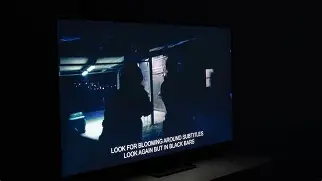
- Local dimming can introduce blooming or haloing with bright objects on dark backgrounds.
- Feature sets (HDMI 2.1, VRR, eARC) vary by model year—buyers must verify exact specs for advanced gaming needs.
Buying Guide: What to Check Before Purchase
When considering one of these models, buyers should verify a few specific details that affect real-world performance and long-term satisfaction.
1. Confirm the Exact Model Number and Year
Small suffixes (D, B, A) and the year affect processor, HDMI features, and firmware. Always check the spec sheet for HDMI version, HDR support, and smart platform features.
2. HDR Format Support
Most Samsung QLEDs support HDR10 and HDR10+; Dolby Vision is typically not supported on Samsung sets. If Dolby Vision content is …3. HDMI Bandwidth and eARC
For high-frame-rate gaming, AV receivers, and soundbars, confirm which HDMI ports support enhanced bandwidth or eARC. This affects 4K @120Hz passthrough, multichannel audio, and next-gen console features.
4. Local Dimming and Contrast Features
Ask how many dimming zones (or whether it is edge-lit vs full-array local dimming) and research user reviews for blooming behavior. If deep blacks in a dark room are a priority, compare side-by-side with models that emphasize contrast.
5. Smart Platform and App Ecosystem
Check whether the streaming apps the buyer uses are available and whether the TV supports frequent firmware updates. Ease of navigation and voice assistant integration are practical everyday considerations.
6. Audio Needs
If the buyer expects cinematic sound, plan to pair the TV with a soundbar or AVR. Confirm that the TV has eARC or adequate optical outputs for the desired audio setup.
Find top-rated TVs & Home Theater products at great prices.
See Deals →Real-World Use Cases and Recommended Settings
Movies (Dark Room)
Mode: Filmmaker or Movie | Backlight: Moderate | Local Dimming: Medium/Auto | Color Tone: Warm 2 | Motion: Off
These settings preserve cinematic intent and reduce artificial motion smoothing. For HDR films, leave HDR set to Auto at the source.
Sports (Bright Room)
Mode: Sports or Standard | Backlight: High | Motion: Low/High smoothing depending on taste | Color: Default
Brighter backlight and modest motion compensation help with fast movement and clarity, especially in sunlit rooms.
Gaming (Console/PC)
Mode: Game | HDR: On (if supported & desired) | VRR/ALLM: Enabled if available | Enhanced HDMI input: On for the primary port
Enable Game Mode to reduce lag and verify the console/PC is set to output at the TV’s native resolution and refresh rate.
Maintenance and Long-Term Tips
- Keep firmware current: Updates can improve performance and add functionality. Check periodically or enable automatic updates.
- Avoid screen burn-in: Not a big issue for QLED as it is an LCD-based technology, but avoid static high-contrast images at maximum brightness for extended periods.
- Clean carefully: Use a microfiber cloth and gentle motions; avoid ammonia-based cleaners and pressure on the panel.
- Power management: Use energy-saving modes if the TV will be on for long stretches, but remember that some power-saving options reduce picture brightness and performance.
Conclusion
The Q70D, Q70, and Q72D models represent a pragmatic choice for buyers who want vibrant colors and modern smart features without the premium of flagship sets. With an appropriate setup — selecting the right picture mode, tuning backlight and local dimming, and enabling Game Mode for players — these QLED TVs deliver excellent value across movies, sports, and gaming. The most important step is to verify the specific model-year specifications before purchase and to follow the straightforward calibration steps in this guide to match settings to the room and viewing habits. With those adjustments in place, owners can enjoy a balanced, high-quality viewing experience that meets most real-world needs.